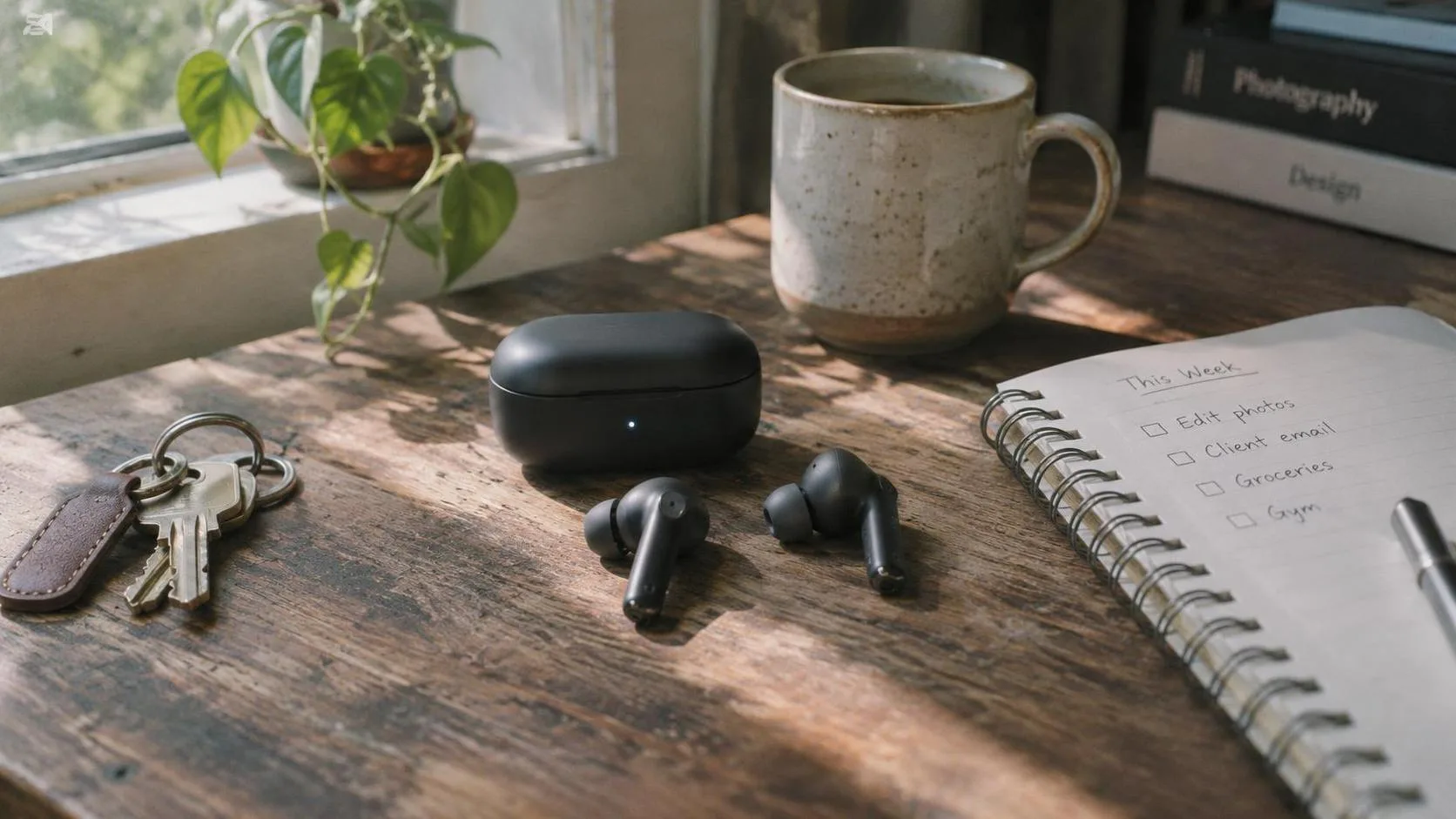
I have worn JBL headphones on the same routes for years—walking to the co-op in Minneapolis, riding the light rail, sitting at my desk, and on longer trips when the airplane seat is too close and the engine noise is too constant. The ones that stay in the rotation are never the ones with the most impressive spec sheet. They are the ones that feel comfortable after two hours, seal well enough to make the noise less annoying, and sound good with the music I actually play.
JBL’s headphone lineup covers true wireless earbuds, on-ear, and over-ear models at a range of prices. “Best” depends on whether the priority is all-day comfort, noise reduction for travel, workout security, or simply good sound without spending flagship money. Here is how the main categories break down for real daily use.
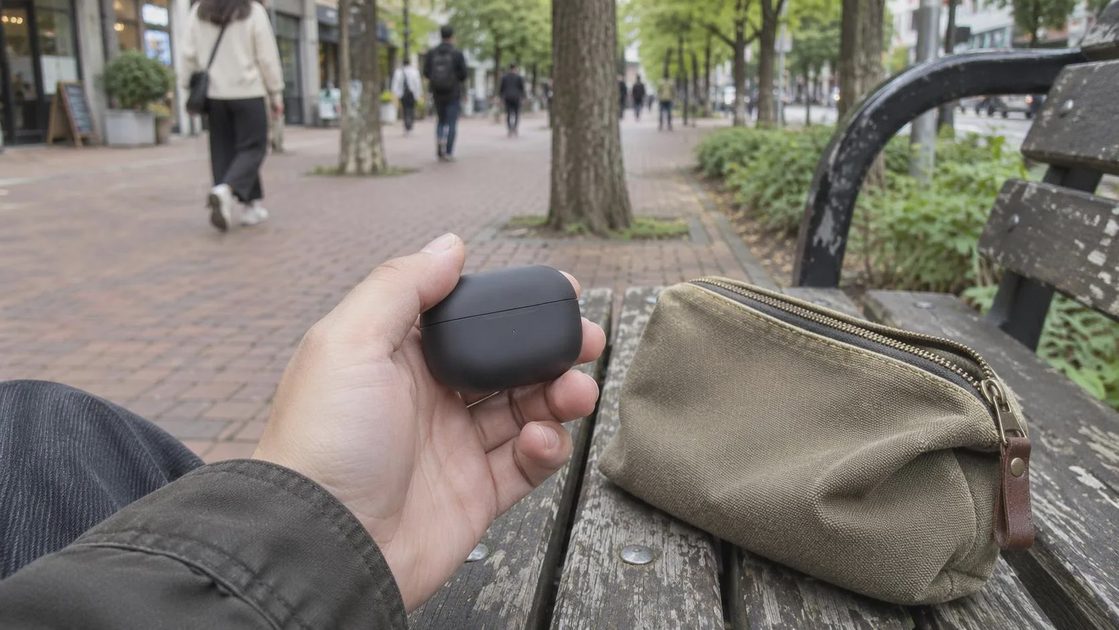
True Wireless Earbuds for Movement and Everyday Carry
For most people who want something that disappears into a pocket and works for walks, workouts, and short commutes, the current JBL true wireless options are the practical starting point.
Models in the Tune and Live ranges (and their recent updates) generally offer solid battery life with the case, reliable Bluetooth, and enough seal to reduce some outside noise without active cancellation on every version. The sound is energetic and bass-forward in typical JBL fashion—fun for playlists and podcasts, less neutral if you prefer a more restrained tuning.
Fit is the real variable. A secure seal matters more than the brand name for both sound and comfort. I have had pairs that stayed put on bike rides and others that needed occasional adjustment. Trying them in person or choosing models with multiple ear-tip sizes improves the odds.
These are the headphones that live in a jacket pocket or small pouch and come out several times a day. They are not the most refined listening experience, but they solve the “I want music without carrying something larger” problem cleanly.
Over-Ear and On-Ear for Longer Sessions and Travel
When the listening session stretches past an hour or the environment gets louder—planes, trains, open offices—the larger form factors make more sense.
JBL’s over-ear models in the recent Tune and higher Live or Club-adjacent ranges usually provide better passive isolation simply because of the ear-cup seal. Some include active noise cancellation that is useful on flights or noisy transit without needing to be the absolute quietest on the market. Battery life on many of these is long enough for full travel days. Comfort varies by head shape and clamp force; the pairs that work for me are the ones that do not create hot spots after ninety minutes.
Sound remains in the lively JBL family—clear enough for podcasts and energetic enough for music. They will not replace a carefully tuned home listening setup, and that is fine. For travel and desk use they deliver what most people actually need: reduced distraction and enjoyable sound without constant battery anxiety.
On-ear models sit between the two extremes—more portable than full over-ears, more substantial than buds. They can work well for commuting if the fit is right, though the seal is usually less complete.
What Matters More Than the Spec Sheet
Comfort after the first hour is more important than the highest claimed noise-cancellation number. A headphone that feels fine in the store and starts to pinch on the train is not a good daily driver. Battery life that matches your longest regular day matters more than the absolute maximum claim under ideal conditions. A secure, repeatable fit matters more than any single driver technology.
JBL’s tuning favors energy and bass presence. If that matches the music you play most, the headphones will feel immediately enjoyable. If you prefer a more neutral or midrange-focused presentation, you may want to listen before buying or plan to use EQ where it is available.
Price is generally competitive. You can get capable everyday and travel headphones without stepping into the highest premium tier.
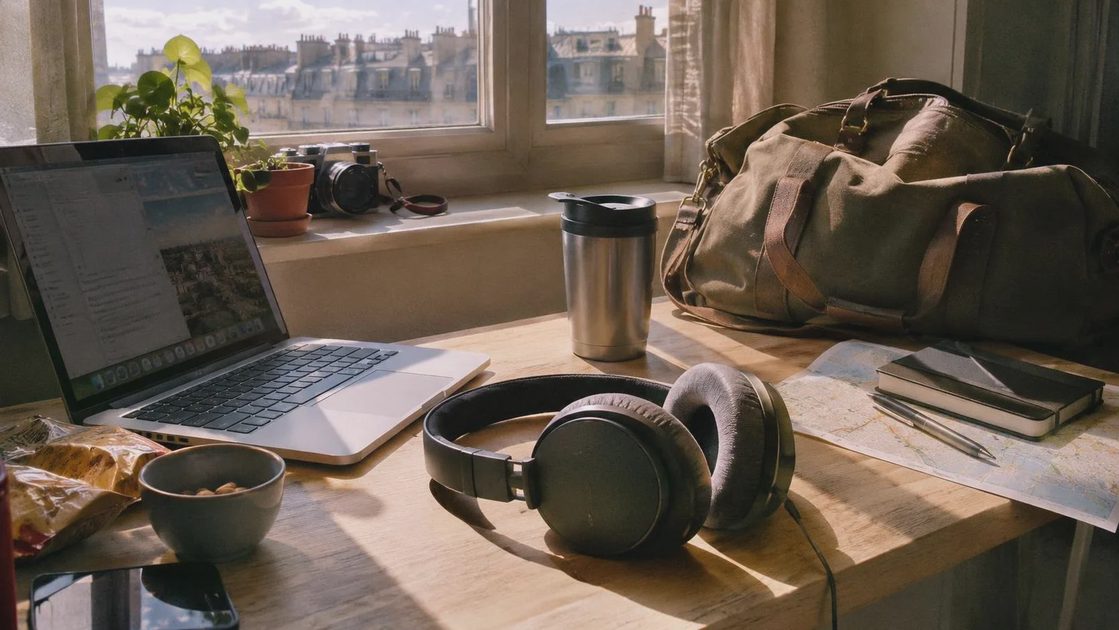
Matching Headphones to the Way You Listen
Walks, workouts, short commutes, maximum portability → current true wireless options in the Tune or Live ranges
Desk work, longer listening, moderate noise reduction → comfortable over-ear models with solid battery life
Flights, trains, consistently noisy environments → over-ear models that include usable active noise cancellation and a good seal
Mixed use with limited bag space → a reliable true wireless pair as the daily driver, with a compact over-ear as the travel backup if needed
I have owned pairs from several of these categories. The ones that remain in the bag are the ones I forget I am wearing after the first song and that still have charge at the end of the day. Brand features matter less than that simple daily test.
JBL headphones are worth considering when you want energetic sound, practical battery life, and solid everyday construction without paying flagship prices. They are not the most neutral or the most isolating option on the market, and they do not need to be. For music, travel, and the routines most of us actually have, the right pair is the one that stays comfortable and gets used. Listen where you live—the headphones that match that reality tend to be the ones that earn their keep.